The Ultimate Guide to Driving the French Riviera's Most Scenic Coastal Routes from Nice in 2026
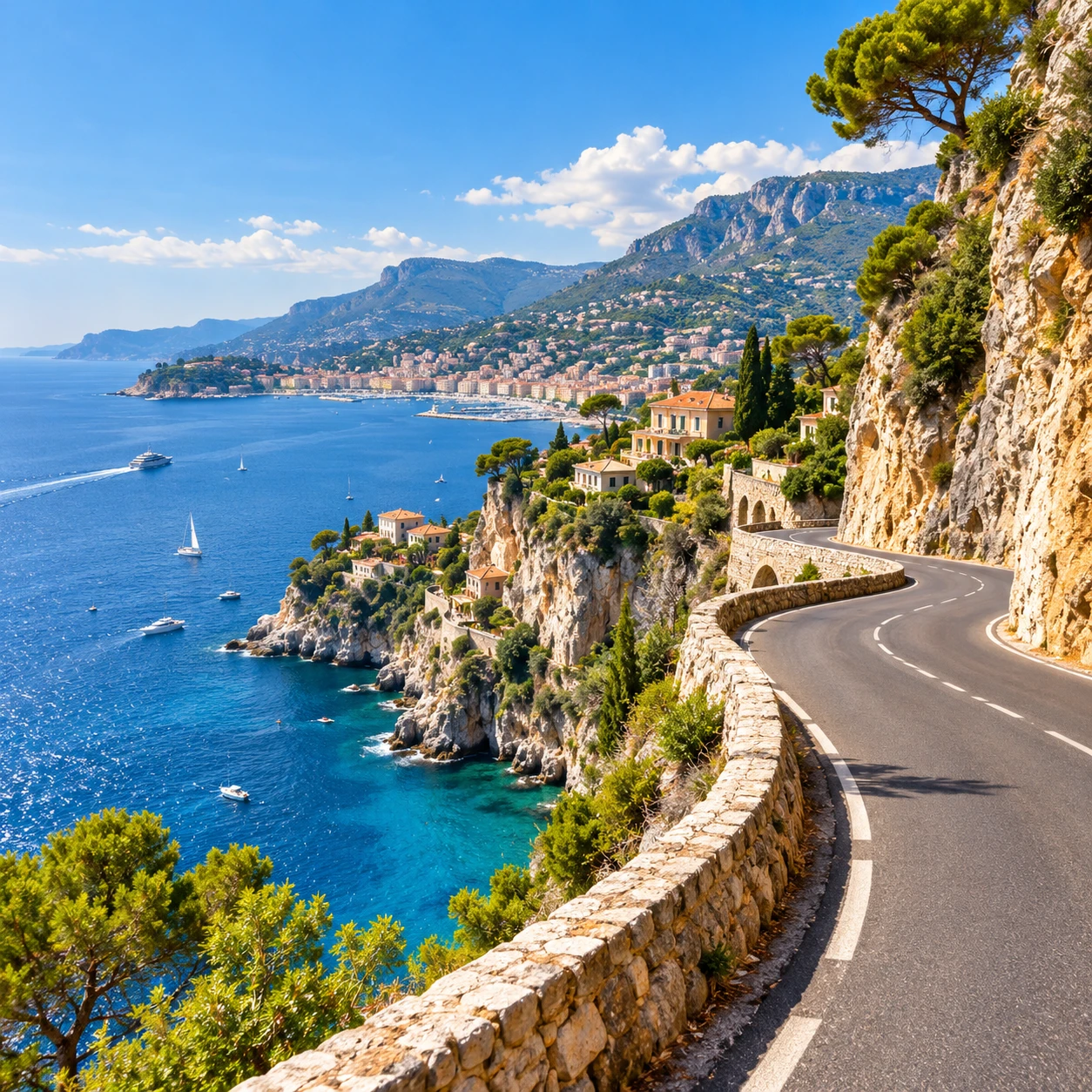
The French Riviera offers some of Europe's most breathtaking coastal drives, but the best routes are defined by more than dramatic views. In 2026, travelers can still enjoy winding cliff roads, historic coastal towns, sparkling Mediterranean water, and scenic detours while avoiding much of the congestion that often surrounds Nice. I've spent years exploring these roads, and I can tell you that driving yourself along the Côte d'Azur turns an ordinary journey into an adventure worth remembering. This guide covers the most scenic routes from Nice, practical advice for renting a car, seasonal driving considerations, and the stops that make the journey memorable.
Why Drive the French Riviera from Nice in 2026?
Driving from Nice gives you the freedom and flexibility to build your own itinerary. No fixed departure time, no crowded tour group, and no need to follow a train schedule. You can stop wherever the view catches your attention, explore hidden beaches tucked beneath dramatic cliffs, discover hilltop villages that tour buses can't reach, and stay for lunch at a seaside restaurant without watching the clock. The panoramic Mediterranean views from the Corniche roads are simply spectacular, with turquoise water stretching toward the horizon and belle époque villas clinging to terraced hillsides.
Still, 2026 travelers need to plan carefully. Summer traffic along the coastal roads can be intense, especially between mid-July and late August, when European holidaymakers flood the region. Road restrictions have increased in recent years to manage congestion and protect historic centers. In popular spots such as Villefranche-sur-Mer and Menton, parking is in high demand, so you'll often need to arrive early or accept a walk from a designated lot. Accommodation, dining, and car rental prices also climb steadily during peak season, making a realistic budget more important than ever.
Best Time of Year for a Scenic Riviera Drive
The ideal time to drive the French Riviera depends on what matters most to you. I recommend May through June and September through October for the best balance of pleasant weather and lighter traffic. During these shoulder months, temperatures hover between 20°C and 26°C, the sea stays warm enough for swimming, and the coastal roads feel manageable instead of overwhelming. Restaurant terraces are open, hotels offer better rates than in high summer, and you can actually find parking in Beaulieu-sur-Mer or Cap-Ferrat without circling for thirty minutes.
July and August deliver the classic Riviera experience, with long sunny days, lively beach clubs, seasonal festivals, and an infectious holiday atmosphere. The trade-off is traffic jams, early morning departures to secure good parking, and crowded viewpoints. If you're visiting in peak summer, start your drives at sunrise, when the light is magical and the roads are nearly empty. Return to your base by mid-afternoon, before the worst of the congestion settles in.
What Makes These Roads Worth the Journey
The French Riviera's coastal roads combine natural beauty with cultural richness in a way that's difficult to match. You'll encounter dramatic cliff-edge driving with sheer drops to azure water, Belle Époque architecture that speaks to the region's glamorous past, authentic fishing harbors where locals still mend nets in the morning, and hillside villages where narrow lanes open onto spectacular Mediterranean panoramas. The food is another reason to make the drive. Fresh seafood arrives steps from where it was caught, family-run restaurants serve Provençal specialties, and morning markets overflow with local produce.
What truly matters is choosing the right vehicle for narrow coastal lanes, selecting routes that suit your interests instead of trying to see everything, and leaving enough time for spontaneous discoveries. I've learned that the best Riviera drives aren't about covering maximum distance. They're about finding the right balance between driving, stopping, walking, eating, and simply soaking in the atmosphere of this extraordinary coastline.
Choosing a Car and Planning Your Riviera Adventure
Vehicle selection makes a significant difference on Riviera coastal roads. Compact cars handle narrow lanes, tight village streets, and limited parking spaces far better than larger vehicles. I always recommend a manual transmission if you're comfortable with it, since these cars generally offer better fuel economy and more control on steep grades, though automatic options are increasingly available in 2026. Consider your luggage carefully. If you're traveling with multiple suitcases, check that the vehicle has enough boot space without compromising rear visibility.
Fuel policies vary between rental companies, but full-to-full arrangements are the most common and usually the fairest. Complete insurance can provide peace of mind on winding roads shared with occasional aggressive drivers, but read the excess carefully and understand exactly what's covered. Booking ahead for 2026 is essential, particularly for travel between May and September, when demand peaks. Confirm whether your Nice accommodation includes parking, since many hotels in the old town don't have dedicated spaces. It's also worth checking any location-specific requirements your rental company may have regarding cross-border travel or mileage limits.
A Trusted Source for Renting a Car in Nice
Before booking your rental car, I strongly recommend checking recent customer reviews on platforms like Tripadvisor to assess service quality, vehicle condition, and pickup experiences. Recent feedback helps you understand how rental companies handle practical issues such as vehicle cleanliness, transparent pricing, pickup efficiency, and customer service when something goes wrong. For example, you can review feedback about Nice-based rental services at https://www.tripadvisor.com/Attraction_Review-g187234-d34667788-Reviews-Nice_Super_Car_Rental-Nice_French_Riviera_Cote_d_Azur_Provence_Alpes_Cote_d_Azur.html to decide whether a particular company suits your needs for coastal journeys. Customer experiences can also reveal how suitable a vehicle is for the narrow Corniche roads, how responsive staff are to maintenance concerns, and whether they offer helpful advice about local driving conditions.
Reviews are useful, but always verify the important details directly with the rental company. Confirm pickup locations, required documents, insurance coverage, fuel policies, and any additional fees that may apply. What worked perfectly for one traveler might not suit your circumstances, so treat reviews as guidance rather than an absolute guarantee.
Essential Documents, Insurance, and Road-Side Preparation
You'll need a valid driving licence from your home country. Drivers from outside the EU should carry an International Driving Permit alongside their national licence. Bring proof of insurance, your rental agreement, emergency contact numbers, and the details of roadside assistance supplied by your rental company. Keep these documents accessible in the car instead of buried in luggage.
Before leaving the rental lot in Nice, conduct a thorough check. Inspect the tyres for adequate tread and correct pressure, test the brakes during your first few minutes behind the wheel, verify that all lights work, and confirm that the air conditioning functions—essential during summer. Check the fuel level and understand where the gauge sits when the tank is full. Familiarize yourself with the controls for the wipers, indicators, and headlights before entering traffic. Photograph any existing damage to avoid disputes later, and program the emergency numbers into your phone. These basic preparations prevent avoidable frustrations and leave you ready for the coastal roads ahead.
The Most Scenic Coastal Route from Nice to Menton
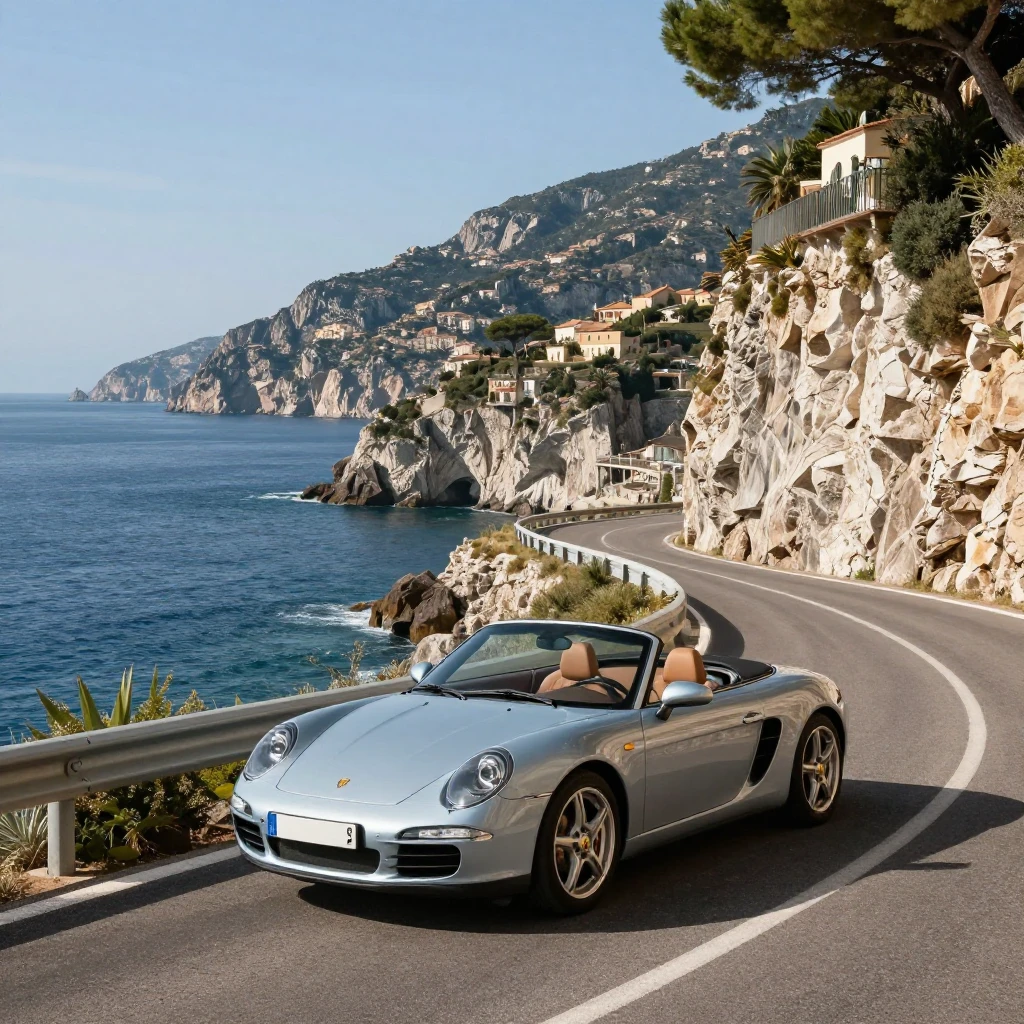
The eastward route from Nice to Menton ranks among Europe's most beautiful coastal drives. You'll follow the famous Corniche roads through a succession of striking locations: Villefranche-sur-Mer and its deeply sheltered bay, the elevated coastal lanes of Cap-d'Ail where villas command extraordinary views, Beaulieu-sur-Mer and its elegant waterfront, and finally Menton with its Italian-influenced architecture and famous gardens. The route combines three Corniche levels—the Grande Corniche high above the sea, the Moyenne Corniche at mid-elevation, and the Basse Corniche hugging the waterline—so you can vary your return journey.
The Basse Corniche offers the most intimate coastal experience, running directly through harbors and beach communities with constant Mediterranean views. You'll find convenient viewpoints where it's safe to pull over, beach access points where wooden stairs descend to hidden coves, seaside restaurants with terraces almost overhanging the water, and opportunities for short walks along coastal paths. Expect narrow sections where two cars barely pass, limited parking near the most attractive spots, and frequent stops by other drivers taking photographs.
Recommended Stops from Villefranche to Menton
A manageable eastward journey might include these highlights. Start with the harbor at Villefranche-sur-Mer, where colorful boats bob against a backdrop of ochre and pink buildings rising steeply from the waterfront. The narrow lanes of the old town lead to the 16th-century Citadelle, and you can walk along the waterfront promenade before continuing. Cap-d'Ail offers spectacular coastal lanes with views across to Monaco, though parking is extremely limited. Consider it a drive-through appreciation rather than a lengthy stop.
Beaulieu-sur-Mer provides a more relaxed atmosphere, perfect for a mid-morning break. The Villa Kerylos, a meticulous recreation of an ancient Greek dwelling, sits dramatically on a rocky point, while the town's Belle Époque architecture reflects its history as an aristocratic winter resort. The Cap Martin viewpoints beyond Beaulieu deliver stunning panoramas, particularly from the coastal path wrapping around the peninsula. Finally, Menton's old town and harbor combine Italian and French influences with pastel facades, baroque churches, shaded squares, and waterfront restaurants serving fresh seafood. Each stop has its own mix of scenery, history, and space for a relaxed lunch, but trying to explore all of them thoroughly in one day creates unnecessary pressure.
Driving Tips for the Corniche
The Corniche roads demand your full attention and defensive driving. Blind bends are common, particularly on the Basse Corniche, where rock faces rise on one side and cliffs drop on the other. You'll share the road with cyclists struggling up steep grades, pedestrians crossing toward viewpoints, scooters weaving through traffic, and tour buses that occupy their entire lane and half of yours. Vehicles also stop suddenly for photographs, sometimes in dangerous places where there's no proper pullout.
Keep your speed low enough to react, maintain generous following distances even when local drivers tailgate impatiently, and avoid using your phone while driving. Even hands-free calls can pull your attention from the road. Use designated viewpoints rather than stopping on narrow shoulders. If cliff-edge driving makes you uncomfortable, the Moyenne Corniche offers excellent views with slightly more forgiving road geometry. The driver behind you will reach the same destination only seconds later, so don't let impatient traffic compromise your safety.
Cap-Ferrat, Monaco, and the Eastern Riviera Extension
Cap-Ferrat deserves special attention as one of the Riviera's most exclusive peninsulas. The narrow roads circling this wooded cape pass grand historic villas hidden behind high walls and gates, dramatic coastal paths with turquoise water views, and the village of Saint-Jean-Cap-Ferrat with its working harbor and upscale restaurants. Despite its proximity to Nice, the peninsula feels remarkably peaceful, although parking becomes a serious challenge during peak season.
Beyond Cap-Ferrat, you can continue toward Monaco, where the coastal roads shift from quieter Riviera scenery to dense urban development. Monaco's dramatic harbor views and famous casino district attract enormous visitor numbers, and congestion can gridlock surrounding roads during peak periods. The eastern coastal towns beyond Monaco—Roquebrune-Cap-Martin and Menton—offer a return to a more relaxed pace, with panoramic promenades, historic old quarters, and memorable transitions into France's increasingly Italian-influenced coastal architecture.
A Half-Day Cap-Ferrat Itinerary
A logical Cap-Ferrat itinerary begins at the Villa Ephrussi de Rothschild, a pink Belle Époque palace surrounded by nine themed gardens overlooking Villefranche-sur-Mer bay. Arrive when it opens to avoid crowds and secure parking in the villa's small lot. After touring the villa and gardens, allow 90 minutes, then drive the narrow lane circling the peninsula's southern coastline. Stop at the parking area near Paloma Beach if you want to walk down to the water or continue along the coastal paths.
The village of Saint-Jean-Cap-Ferrat makes an ideal lunch stop, with several excellent restaurants around the small harbor. After lunch, drive to the peninsula's tip for additional viewpoints, or turn back toward Beaulieu-sur-Mer and continue your coastal journey eastward. A half-day on Cap-Ferrat feels complete without rushing, though you could easily spend a full day if you add beach time or longer walks along the coastal paths. Don't attempt this itinerary on summer weekends, when parking becomes nearly impossible. Weekday mornings offer the best experience.
Crossing into Monaco: Rules and Realities
In 2026, visitors should confirm current entry requirements, parking regulations, and road rules before driving to Monaco. Monaco is not part of the EU, but it maintains open borders with France, and entry is straightforward for tourists, though you should carry your passport regardless. The principality's compact size means traffic congestion can be intense, particularly during the Formula One Grand Prix period in May and the Monte-Carlo Rally in January, when road closures and restrictions affect access throughout the region.
Parking in Monaco is expensive and limited. Public parking garages charge premium rates, street parking is virtually nonexistent, and stopping in prohibited locations results in swift enforcement and substantial fines. If your goal is simply to see Monaco's famous locations, consider parking in nearby Cap-d'Ail or Beausoleil and walking across the border. It's often faster and less stressful than driving through Monaco's congested streets. If you do drive through Monaco as part of your coastal route, avoid peak hours and follow signs carefully, since wrong turns can send you through long tunnels in unintended directions. Never stop on the road for photographs, however dramatic the view.
Continuing Toward the Villages of Roquebrune-Cap-Martin and Menton
The eastern Riviera beyond Monaco has a less hurried character that many travelers prefer. Roquebrune-Cap-Martin combines a medieval village perched on a dramatic rock formation with a beautiful coastal cape wrapped by a scenic promenade. The contrast between steep village lanes climbing to the 10th-century castle and relaxed waterfront paths around Cap Martin creates varied experiences within a small area. This stretch of coast attracts fewer day-trippers than destinations closer to Nice, creating a more authentic local atmosphere.
Menton, the last French town before the Italian border, feels distinctly Italian with its baroque architecture, sun-washed pastel facades, and subtropical gardens benefiting from the region's mildest microclimate. The waterfront promenade, stepped lanes of the old town climbing toward the hilltop cemetery, morning market near the harbor, and numerous gardens created by wealthy expatriates all reward exploration. Fresh seafood restaurants and local specialties like Menton's famous lemons feature prominently on menus.
Roquebrune-Cap-Martin and the Rock of Roquebrune
The village of Roquebrune-Cap-Martin clings to a dramatic coastal rock formation, with steep lanes winding up to one of France's oldest castles. The walking route around the famous rock and through the medieval village involves substantial climbing on uneven stone steps, so wear appropriate footwear and bring water, particularly in summer heat. The views from the castle and upper village extend across the coast from Monaco to Menton, making the climb worthwhile for anyone reasonably fit.
However, combining a substantial uphill walk with a full day behind the wheel can be exhausting. If you plan to explore Roquebrune's village and rock thoroughly, make it a focused morning activity before continuing to Menton for a relaxed afternoon and dinner. Check local access conditions before visiting, as occasional maintenance work closes certain sections of the walking paths. The coastal promenade around Cap Martin offers an easier alternative, following a paved path at sea level with beautiful Mediterranean views and access to small beaches.
Menton's Old Town, Harbor, and Panoramic Highlights
I recommend arriving in Menton in late afternoon, which gives you time to explore the narrow streets of the old town, wander through the covered market or harbor area, and reach the elevated terraces offering panoramic views across the bay toward Italy. The Basilica of Saint-Michel, with its distinctive bell tower, dominates the upper town, and the parvis in front of the church creates a spectacular natural amphitheater for summer concerts.
Weekend markets and seasonal festivals, particularly the famous Lemon Festival in February, significantly affect access and parking availability. Research the dates before visiting and arrive early if you're coming during special events. Parking in Menton is easier than in many Riviera towns, with several public lots near the waterfront and at the market hall, but summer weekends still fill quickly. The promenade du Soleil, Menton's palm-lined waterfront walk, provides a fitting end to your coastal drive, with the sea on one side and belle époque architecture on the other. Plenty of terrace restaurants invite you to pause and reflect on the day.
Westbound Alternatives: The Cap d'Antibes Peninsula
While most scenic drives from Nice head east toward Monaco and Menton, the westward route to Cap d'Antibes offers equally compelling scenery with a different character. The road toward Juan-les-Pins and Antibes requires navigating Nice's dense western suburbs and the busy approach to the airport, but once past Cagnes-sur-Mer, the coastal lanes become calmer and more scenic. The Cap d'Antibes peninsula extends into the Mediterranean between Juan-les-Pins and Antibes, offering protected landscapes, sandy beaches, historic sites, and renowned viewpoints.
This western route attracts beach-focused travelers and anyone interested in Antibes' impressive old town, enclosed by 16th-century ramparts and commanding a promontory between two harbors. The peninsula's coastal road provides continuous Mediterranean views without the dramatic cliff-edge character of the eastern Corniche, making it more comfortable for nervous drivers while still delivering beautiful scenery. Numerous beaches, beach clubs, and waterfront restaurants create a more relaxed, less exclusive atmosphere than Cap-Ferrat or Monaco.
A Cap d'Antibes Loop
A full- or half-day Cap d'Antibes route from Nice begins by following the coastal road west through Cagnes-sur-Mer and Villeneuve-Loubet before reaching the Antibes peninsula. Start in Antibes itself, where you can park near the ramparts and explore the old town, the Provençal market, and the Musée Picasso housed in the Château Grimaldi. The waterfront below the ramparts offers excellent views across to the Alps on clear days.
From Antibes, follow the Boulevard du Cap around the peninsula's tip, stopping at viewpoints such as the Plateau de la Garoupe, where a lighthouse and chapel command dramatic positions above the sea. Plage de la Garoupe provides one of the area's best sandy beaches, although parking fills early in summer. The coastal road continues past elegant villas and the famous Hôtel du Cap-Eden-Roc before reaching Juan-les-Pins, known for its beaches, nightlife, and summer jazz festival. You can return to Nice along the coastal road or take the faster inland route via the A8 autoroute if time is limited. This loop works well as a relaxed full day with beach time, or as a focused half-day of driving and sightseeing.
Which Direction Should Drivers Choose?
The choice between eastbound and westbound routes depends on several factors. The eastern route toward Menton delivers more dramatic cliff-edge scenery, spectacular Corniche roads, and the option to continue to Monaco or even into Italy. It's more compact geographically, letting you experience several distinctive towns within a shorter distance. The western route to Cap d'Antibes offers better beaches, a more relaxed atmosphere, easier driving on less precipitous roads, and the historic appeal of Antibes itself.
For a first visit, I generally recommend the eastern route because the Corniche roads provide the quintessential Côte d'Azur driving experience that travelers imagine when planning a Riviera road trip. But if you're traveling with children who want beach time, prefer gentler driving conditions, or plan to spend multiple days exploring the coast, the western route toward Antibes deserves equal consideration. Many visitors drive both directions on separate days, which allows you to experience the full diversity of the Riviera's coastal scenery from Nice.
Practical Advice, Common Mistakes, and a Sample 2026 Itinerary
Successful Riviera driving requires realistic planning and attention to practical details. Parking is perhaps the single biggest challenge. Arrive early at popular destinations, use designated lots instead of searching endlessly for street parking, and never leave valuables visible in your parked car. Fuel stations are plentiful along main routes but sparse on smaller coastal roads, so fill up before leaving Nice if you're planning a full day of driving. Mobile coverage is generally excellent throughout the region, allowing you to use navigation apps and check real-time traffic conditions.
The A8 autoroute that parallels the coast requires tolls, though the amounts are modest for short distances. Weather is usually reliable from May through September, but sudden summer storms can create hazardous conditions on coastal roads. If heavy rain reduces visibility, find a safe place to wait it out. Secure luggage out of sight whenever you park, even for brief stops, as car break-ins target tourist vehicles. Realistic time estimates matter enormously. What looks like a short distance on a map can take double or triple that time once you account for narrow roads, traffic, parking searches, and the inevitable stops for photographs.
Mistakes to Avoid on Riviera Roads
The most common mistake is trying to see too many destinations in one day. Travelers underestimate how long it takes to drive narrow coastal roads, find parking, walk to actual attractions, and enjoy each location. Attempting to visit Villefranche, Beaulieu, Cap-Ferrat, Monaco, Roquebrune, and Menton in a single day leaves you frustrated and rushed rather than enchanted by the coast. Choose three or four stops maximum and allow enough time to experience them properly.
Relying on curbside parking near popular attractions is another frequent error. In 2026, most desirable coastal locations have either eliminated street parking entirely or made it resident-only. Accept that you'll use paid lots and might walk ten or fifteen minutes to reach waterfront areas. Leaving valuables visible in your car invites break-ins. Put everything in the boot before you park, not after, because thieves watch for this behavior.
Skipping rental companies' full-tank fuel policies or purchasing their overpriced fuel options costs unnecessary money. Fill up yourself before returning the car at one of the cheaper stations away from the airport. Confusing the fast inland routes with the scenic coastal roads is surprisingly common. The A8 autoroute and the Moyenne Corniche get you places quickly, but they miss the intimate coastal views that make the journey memorable. Finally, assuming every narrow lane is suitable for large vehicles leads to terrifying three-point turns on blind corners. If you're driving anything larger than a compact SUV, research road widths carefully before attempting the smallest coastal lanes.
A Suggested Full-Day Coastal Drive
Here's a practical schedule for an eastbound coastal drive that balances driving, stops, and realistic timing. Depart Nice around 8:30 AM after breakfast, heading east on the Basse Corniche toward Villefranche-sur-Mer. Spend an hour exploring Villefranche's harbor and old town from 9:00-10:00 AM. Continue to Cap-Ferrat, visiting Villa Ephrussi de Rothschild for 90 minutes from 10:30 AM-12:00 PM. Drive around the peninsula's coastal road, stopping briefly at viewpoints.
Arrive in Beaulieu-sur-Mer around 12:30 PM for lunch at a waterfront restaurant, allowing 90 minutes for a relaxed meal from 12:30-2:00 PM. After lunch, continue east toward Roquebrune-Cap-Martin, where you can either drive the coastal road or walk portions of the Cap Martin promenade from 2:30-3:30 PM. Reach Menton by 4:00 PM, allowing time to explore the old town, market area, and waterfront before the evening light enhances the pastel facades.
Return to Nice via the Moyenne or Grande Corniche, which offers different perspectives from your eastbound route and typically moves faster in late afternoon. Expect to arrive back in Nice around 6:30 or 7:00 PM. This schedule covers the essential eastern Riviera highlights without exhausting or rushing you, though you should adjust it according to your own pace and interests. A separate day works better for Monaco or the westward Cap d'Antibes route, allowing each journey to feel complete rather than cramming everything into an overwhelming marathon drive.
Conclusion
Driving the French Riviera's coastal routes from Nice in 2026 remains one of Europe's great road-trip experiences. The combination of dramatic Mediterranean scenery, historic coastal towns, cultural landmarks, and the freedom to explore at your own pace creates memories that standard tours simply cannot match. Success depends on choosing the right rental car for narrow coastal lanes, checking customer reviews to assess service quality before booking, planning realistic routes that don't try to cover too much territory in one day, and leaving time for those spontaneous stops where the best discoveries often happen.
I encourage you to tailor the journey to your preferred scenery, pace, and travel style rather than attempting to see everything at once. Whether you choose the dramatic cliff-edge Corniche roads toward Menton, the elegant peninsula of Cap-Ferrat, or the beach-focused route to Cap d'Antibes, each direction offers unique rewards. The French Riviera's coast has enchanted travelers for over a century, and with proper planning and realistic expectations, your 2026 drive will show you exactly why this extraordinary stretch of Mediterranean coastline continues to captivate everyone who explores it.