Ultimate Guide to Planning a Luxury Ski Vacation in the French Alps: Top Resorts, Transportation, and VIP Experiences in 2026
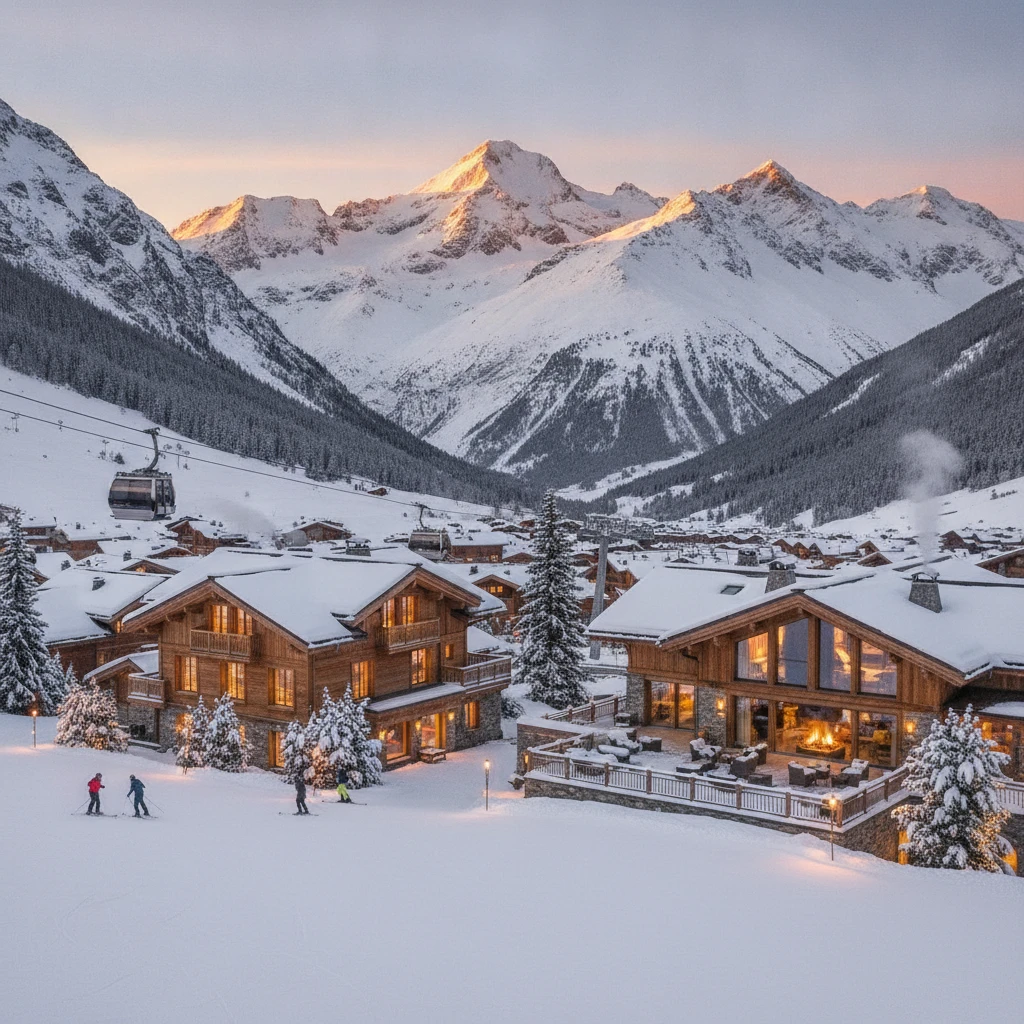
I've spent years chasing the best ski destinations on earth, and honestly? Nothing comes close to the French Alps. There's this moment—gliding down fresh corduroy at sunrise, stopping mid-mountain for truffle risotto at a Michelin-starred lodge, then ending your day in your own chalet with Mont Blanc filling the windows—that just doesn't exist anywhere else. As the 2026 season approaches, the French Alps still set the bar for luxury winter travel. World-class terrain meets European sophistication in ways other resorts can't quite replicate.
Planning a trip like this goes way beyond clicking 'book now' on a hotel site. You're juggling resort selection, helicopter transfers, restaurant reservations that need to be locked down months out, private guides, ground transportation logistics. Every piece matters. This guide pulls from my own experiences—mistakes I've made, things I've learned the expensive way—to help you build the kind of French Alps vacation you'll still be talking about years later.
Why the French Alps Remain the Ultimate Luxury Ski Destination in 2026
The French Alps have owned the top spot for decades, and 2026 changes nothing. Sure, the skiing is incredible—Les Trois Vallées alone gives you 600+ kilometers of linked runs, which is genuinely absurd in scale. But that's not really what sets this place apart. It's everything else. The way athletic challenge, culinary genius, and centuries-old European culture all come together seamlessly.
I've skied Aspen, St. Moritz, Niseko. Each has its charm. But the French Alps do something different—they have the highest concentration of Michelin-starred mountain restaurants anywhere on the planet. You finish a brutal black run, ski right up to a lodge at 2,000 meters, and sit down to vintage Burgundy and truffle risotto. That's just... Tuesday here.
Then there's the architecture. Some resorts feel like they were built yesterday with zero soul. Places like Megève? They've got centuries of alpine heritage baked in—cobblestone lanes, timber chalets that predate ski tourism entirely. Even newer builds like Courchevel have evolved into something sophisticated, blending modern luxury with mountain context. The chalets themselves are art pieces: hand-hewn beams, curated contemporary art, wine cellars stocked with bottles you can't find anywhere else, spa setups that rival standalone luxury hotels.
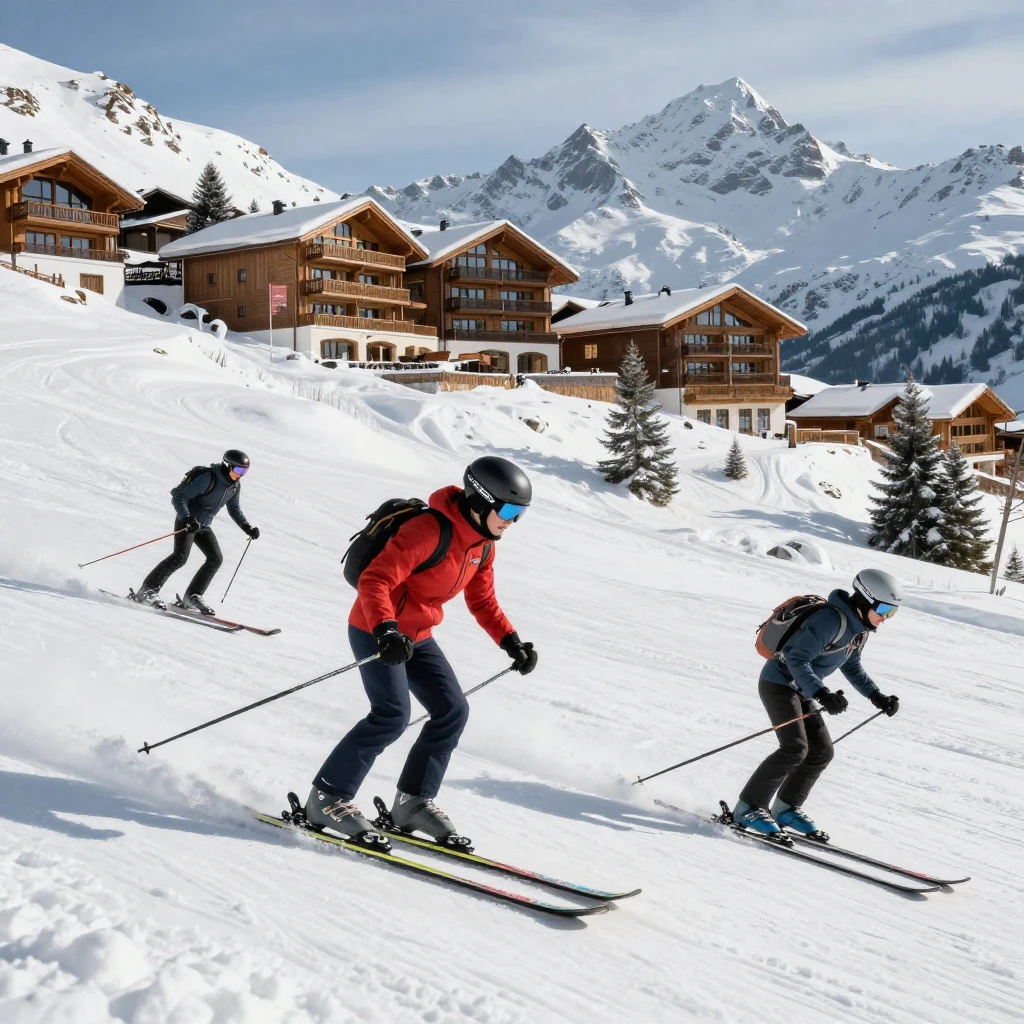
And the culture around skiing here just hits differently. European alpine tradition takes leisure seriously in ways North American resorts don't quite get. Après-ski isn't just grabbing a beer—it's champagne bars, live music, exclusive lounges where the social scene becomes part of the trip itself. There's this understanding that a ski vacation should engage every sense, not just test your legs.
Top Luxury Ski Resorts in the French Alps
The French Alps spread across dozens of resorts, but only a handful really deliver at the luxury level. Each has distinct character and attracts different crowds, though they all nail the experience.
Courchevel – The Crown Jewel of Les Trois Vallées
Courchevel—specifically Courchevel 1850—is the pinnacle. I'd argue it's the most sophisticated ski resort on earth. The resort splits into villages at different elevations, with 1850 being the most exclusive and most built-out for luxury.
What makes Courchevel extraordinary is the density of luxury in one place. More five-star hotels per capita than almost anywhere. Shopping that rivals Paris—Chanel, Louis Vuitton, Hermès, Prada all have boutiques here. Multiple Michelin-starred restaurants scattered between the village and the mountain.
The skiing connects into the massive Les Trois Vallées network—600 kilometers of marked terrain. Lift infrastructure is cutting-edge, with heated seats and bubbles on most chairs. Grooming is flawless. Snow reliability stays solid all season thanks to elevation and extensive snowmaking.
Here's what catches people off guard: ground transportation matters more than you'd think. Courchevel sprawls. The most exclusive chalets sit on the mountainside away from the village core. Top restaurants scatter across different zones, and you'll want flexibility to explore neighboring villages and venture into other Trois Vallées areas. This is where arranging luxury car rental in Courchevel becomes critical. Having a premium vehicle available—Range Rover for snowy days, Mercedes S-Class for evening elegance—completely changes the experience. You get freedom to ski different areas, dine wherever you want, and show up everywhere in proper style.
The social scene deserves mention too. European aristocracy, Russian oligarchs, Middle Eastern royalty, successful entrepreneurs from everywhere—they all converge here. The people-watching alone is worth it. Exclusive spots like Le Manège nightclub and La Bergerie restaurant pull in crowds that define the resort's atmosphere.
Val d'Isère, Megève, and Other Elite Destinations
Courchevel might be the crown jewel, but several other resorts offer exceptional luxury with their own distinct personalities.
Val d'Isère pulls more athletic, adventurous skiers. The terrain gets serious—extensive off-piste, reputation for stellar snow conditions. The resort hosted Olympic events and carries that sporting DNA forward. Luxury here feels slightly more understated than Courchevel. Still incredible chalets and dining, but less emphasis on fashion boutiques, more focus on the actual skiing. It links with Tignes to form Espace Killy—300 kilometers of runs.
Megève offers something completely different. This is the French Alps' most historic luxury resort, developed in the 1920s when the Rothschild family wanted a French answer to St. Moritz. The village kept its medieval character—narrow cobbled streets, horse-drawn sleighs, architecture that predates modern ski culture. Megève attracts Parisian families and anyone seeking refined traditional alpine charm. The skiing runs moderate in difficulty but beautifully scenic, and the village itself might be the most picturesque in the Alps.
Val Thorens sits at the opposite end of the spectrum as Europe's highest resort at 2,300 meters. That altitude guarantees excellent snow but creates a more utilitarian, purpose-built village. Luxury accommodations have expanded recently though, and the elevation combined with Trois Vallées access makes it appealing for serious skiers willing to trade village charm for snow certainty and challenging terrain.
Getting There: Private Transfers, Helicopter Access, and Ground Transportation
How you reach the French Alps significantly impacts the luxury experience. The region has solid airport access, with multiple options for that final leg to your resort.
Geneva Airport is the most common entry—about 90 minutes from Courchevel, two hours to Val d'Isère. Major international hub with connections from everywhere. The airport has a dedicated French sector that lets you clear Swiss customs and proceed straight into France, which streamlines things considerably.
Lyon-Saint Exupéry Airport works as an alternative, particularly for Courchevel and Méribel—transfer times around two to three hours. Chambéry Airport is much smaller but closer to many resorts, just 90 minutes to Courchevel, handling seasonal winter flights from UK and some European cities.
For ultimate convenience, private jet travel to Courchevel Altiport is possible for qualified aircraft and pilots. This tiny airport sits right in the resort at 2,000 meters, with a notoriously challenging runway requiring special certification. Landing directly in Courchevel eliminates all ground transfer time—the pinnacle of luxury ski travel.
Flying commercially, private ground transfers are standard for luxury travelers. Premium transfer companies run Mercedes V-Class vans or SUVs with professional drivers who monitor your flight and adjust for delays. Vehicles come equipped with WiFi, refreshments, comfort amenities for the mountain drive.
Helicopter transfers from Geneva offer another elevated option—20-minute flights straight to Courchevel's helipad or other resort landing zones. Weather-dependent, but helicopters give you spectacular Alpine views and compress transfer time dramatically. Several companies specialize in these, arranged as shared flights or private charters.
Once you're at your resort, ground transportation stays important throughout. Beyond the luxury car rental option I mentioned for Courchevel, most high-end chalets include dedicated drivers and vehicles in their service package. You never worry about parking, navigating unfamiliar snowy roads, or arranging rides after evening wine tastings.
VIP Experiences and Exclusive Services
The gap between a standard ski trip and a genuinely luxurious one comes down to bespoke experiences and exclusive services. These shift your vacation from visiting a beautiful place to having transformative experiences.
Private ski instruction and guiding is where I always start. Even expert skiers benefit from local guides who know the mountain intimately—where to find the best snow at different times, which off-piste routes are safe given current conditions, how to navigate lift systems efficiently to maximize vertical and dodge crowds. For less experienced skiers, private instruction accelerates learning while keeping comfort and confidence high. Many instructors in French resorts speak multiple languages and weave cultural insights into technical teaching.
Heli-skiing represents the ultimate for advanced skiers. France has restrictions on heli-skiing within its borders, but operations run from Italian valleys just across the border, accessing pristine terrain in the Monte Rosa and Gran Paradiso ranges. These experiences include mountain guides, safety gear, typically multiple runs per day. The snow quality and crowd absence in helicopter-accessed terrain creates unforgettable skiing.
Après-ski and evening entertainment goes way beyond beer halls in French resorts. Exclusive venues like La Folie Douce in Val d'Isère combine spectacular mountain locations with live DJs, champagne service, energetic atmospheres. More refined options include wine tastings with sommeliers specializing in rare French vintages, intimate jazz performances in underground venues. Private nightclubs like Le Manège in Courchevel require membership or personal connections for entry.
Spa and wellness facilities in luxury French Alps properties rival the world's best destination spas. Many chalets have private treatment rooms where therapists come to you for massages, facials, body treatments. Palace hotels run extensive spa facilities with everything from cryotherapy to vinotherapy treatments using local alpine botanicals. After demanding days on the slopes, these services become essential for recovery.
Private chef services let you enjoy Michelin-quality dining in your chalet. Many luxury properties include dedicated chefs in their staff, but independent private chefs can be arranged too. They handle everything—market shopping, wine pairing, multi-course dinners prepared and served in your dining room. Particularly valuable for families or groups wanting intimate meals without restaurant hassle.
Members-only clubs and exclusive venues provide access to the social elite of the ski world. Some require annual memberships, others allow guest access through hotel concierges or local connections. These venues offer elevated food and beverage, curated crowds, often the best people-watching in the resort.
When to Visit and How to Plan Your 2026 Luxury Ski Trip
Timing and advance planning matter tremendously for luxury ski vacations. The French Alps have distinct seasons within the winter period, each with advantages, and the best services and accommodations book far ahead.
December holidays (roughly December 20-January 5) represent peak season. Snow conditions typically run good by this time, festive atmosphere gets magical with Christmas markets, special events, celebratory dining. But this is also the most crowded and expensive period. Lift lines get longer, restaurants fill completely, chalets command premium rates. If you're eyeing this window for 2026, you should be booking now—luxury chalets often get reserved a year or more out for Christmas week.
January hits a sweet spot for many luxury travelers. After New Year's, crowds drop significantly while snow conditions keep improving. Prices fall compared to holiday weeks, you'll find better availability at top restaurants and for premium services. Trade-off is potentially colder temps and shorter daylight.
February half-term (typically mid-February) brings another peak, particularly with British and French school holidays. Snow conditions usually peak this month—deep base with regular fresh snowfalls. Temperatures moderate compared to January, daylight extends noticeably. This is my personal favorite window for skiing the French Alps.
March offers the best weather—sunny days, warmer temps, longer daylight hours allowing extended skiing and enhanced après-ski on sun-soaked terraces. Snow stays good at higher elevations, though lower slopes can get heavy in afternoons. Ideal for those prioritizing comfort and sunshine over the deepest powder.
For planning your 2026 trip, here's my recommended timeline: targeting Christmas/New Year or February half-term? Start planning 12-18 months ahead. Lock your chalet or hotel first—best properties book fastest. Once accommodation is confirmed, book restaurants, particularly Michelin-starred venues like Le 1947 at Cheval Blanc or Le Chabichou in Courchevel, which need reservations months ahead for peak season.
Arrange ground transportation—luxury car rentals or private drivers—at least 2-3 months out. Premium vehicles and top drivers book early. Schedule VIP experiences like heli-skiing and private instruction 4-6 weeks before arrival when weather and snow conditions become more predictable.
Regarding packing: French Alps require technical ski gear for slopes but elegant casual wear for evenings. Most luxury travelers maintain separate wardrobes for day and night. On the mountain, invest in quality technical outerwear—temperature regulation matters as you transition between cold lifts and warm lodges. For evenings, smart casual is standard in most restaurants, though a few venues maintain stricter dress codes. Courchevel leans toward more fashionable evening wear than other resorts.
Where to Stay: Chalets, Palace Hotels, and Private Residences
Accommodation choices dramatically shape your French Alps experience. The region offers a spectrum of luxury options, each with distinct characteristics and service levels.
Private chalets with full staff represent the ultimate in alpine luxury for families or groups. These properties typically include 5-7 bedrooms, dedicated staff—chef, hosts, drivers, housekeepers—and amenities like home cinemas, wine cellars, spa facilities, hot tubs with mountain views. The advantage is complete privacy, personalized service, ability to set your own schedule. Meals happen when you want them, the chef adapts menus to your preferences, the space is entirely yours. Premium chalets in Courchevel can run €100,000-€300,000 per week during peak season, but divided among a large group, the per-person cost becomes reasonable for this level of service.
Palace hotels like Le K2 Palace and Les Airelles in Courchevel, or Le Refuge de Solaise in Val d'Isère, deliver five-star hotel service with Alpine character. These properties run Michelin-starred restaurants, extensive spas, ski concierges organizing your day, locations either ski-in/ski-out or with immediate lift access. Advantage over chalets is hotel-level service without managing staff, plus social aspects of hotel public spaces, bars, restaurants. Rooms and suites feature custom furnishings, luxury linens, mountain views. Expect €1,500-€5,000 per night for suites during high season.
Branded residences like Six Senses Residences Courchevel or Ultima Courchevel combine private ownership units with hotel services. When owners aren't using their apartments, they enter the rental pool. Guests get private apartment space with kitchens and multiple bedrooms, plus hotel amenities like concierge service, housekeeping, often access to spa and restaurant facilities. This middle ground works well for extended stays or those wanting more space than hotel rooms while maintaining service.
When selecting accommodation, consider: Location relative to lifts and village—ski-in/ski-out versus walking distance versus requiring transport. View quality, particularly whether you're facing Mont Blanc or other spectacular vistas. Service level and whether staff live on-property or come daily. Amenities like pools, gyms, cinema rooms, wine cellars. Privacy versus social atmosphere if those factors matter to your group.
Best accommodations book extremely early, as I mentioned. If you're committed to a specific property for peak season 2026, contact them now. Many luxury travelers return to the same chalet or hotel annually, effectively blocking out weeks years ahead. Flexibility on exact dates or willingness to consider alternative properties expands options, but for pinnacle properties during Christmas or February half-term, early booking is essential.
The French Alps deliver an unmatched combination of world-class skiing, culinary excellence, sophisticated culture, luxury service. Planning properly—selecting the right resort and accommodation, arranging seamless transportation and exclusive experiences—ensures your 2026 ski vacation becomes genuinely unforgettable. The investment in thoughtful planning returns itself many times over in experience quality, creating memories lasting far longer than any material purchase. I hope this guide helps you craft your perfect French Alps ski adventure.