The Rise of Alternative Media in the Digital Age: How the Internet Rewrote the Rules of News
When the Printing Press Met the Smartphone
Media disruption is nothing new — every major communication technology reshuffled who controls the story. What makes the digital era different is the speed. Gutenberg took decades to destabilize the Church's grip on information. The smartphone did the same to broadcast networks in roughly ten years.
From pamphlets to penny press to radio to cable news, each wave of digital disruption followed a familiar pattern: a new tool lowers the cost of publishing, a generation of outsiders floods in, and the old gatekeepers scramble to stay relevant. What changed after 2010 wasn't the pattern — it was the scale. Suddenly, anyone with a broadband connection and an opinion could reach a global audience before the evening news finished its opening credits.
The barriers that once protected legacy media — printing infrastructure, broadcast licenses, distribution networks — evaporated. In their place came platforms that didn't care about your press credentials. They cared about engagement. That single shift rewired the entire information ecosystem, and we're still sorting out what it means.
Why Audiences Started Looking Elsewhere
The credibility gap between mainstream media and its audience didn't appear overnight — it widened gradually, driven by a series of high-profile failures that audiences didn't forget. Coverage of the 2003 Iraq War, the 2008 financial crisis, and a string of missed political stories convinced millions that legacy press wasn't just imperfect — it was sometimes actively misleading.
Media distrust isn't purely a right-wing phenomenon, despite how it's often framed. Disillusionment cuts across political lines. Progressive audiences grew frustrated with corporate ownership shaping editorial priorities. Conservative audiences felt systematically ignored or condescended to. Meanwhile, younger readers who grew up online never developed the reflexive trust in broadcast networks that older generations held.
The result was a vacuum. And vacuums get filled. Independent voices, niche newsletters, and satirical commentary stepped into the space that legacy outlets left open — not always with better information, but often with a candor and directness that felt more honest than polished studio anchors reading from teleprompters.
The Platforms That Handed Everyone a Megaphone
YouTube, Substack, podcasting, and X (formerly Twitter) didn't just create new distribution channels — they dismantled the entire concept of editorial gatekeeping as a prerequisite for reaching an audience. A single independent creator with a decent microphone and a sharp perspective can now build a subscriber base that rivals mid-sized newspapers.
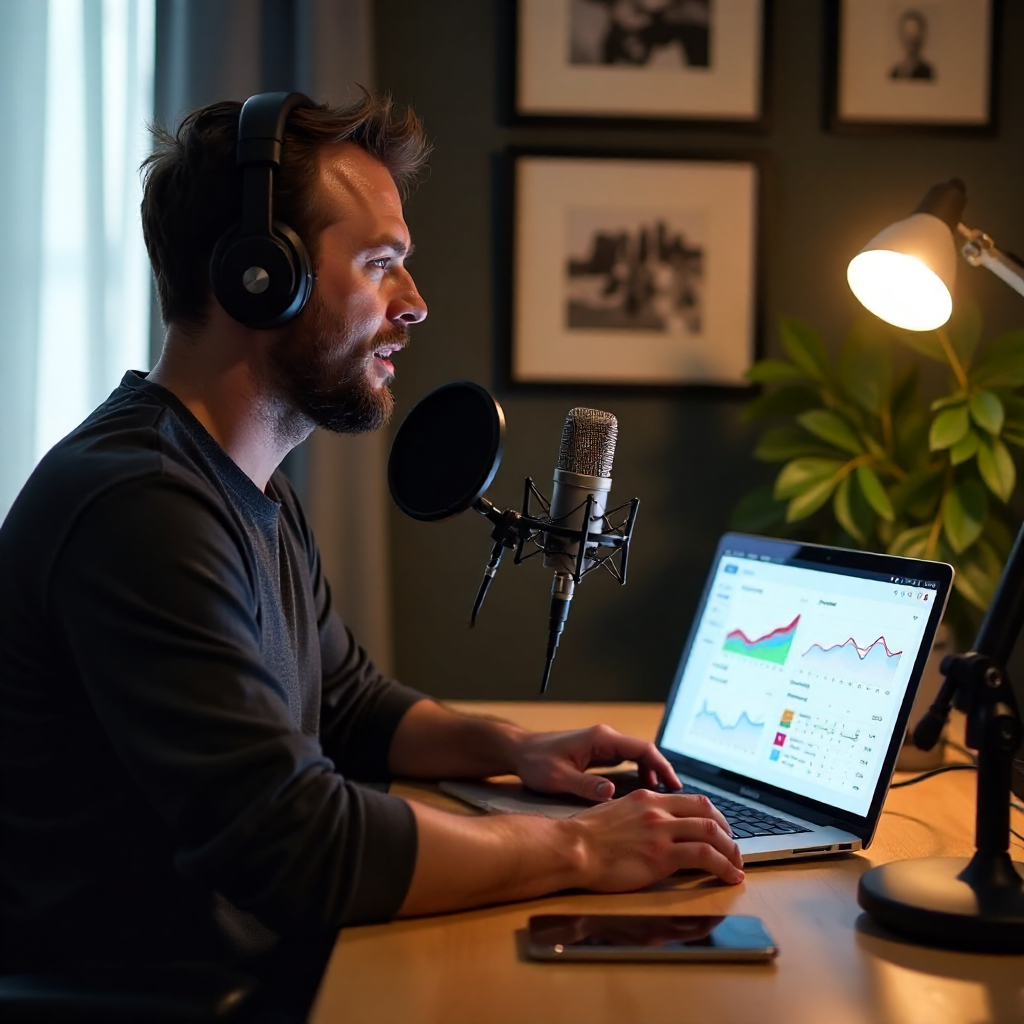
Each platform serves a slightly different function in the alternative media ecosystem:
- YouTube rewards long-form video commentary and investigative storytelling, giving creators room to build complex arguments over 20 or 40 minutes — something cable news structurally can't do.
- Substack restored the economics of writing by letting journalists charge readers directly, bypassing advertisers whose sensitivities often shaped editorial decisions at traditional outlets.
- Podcasting turned commutes into classrooms, building intimate parasocial relationships between hosts and listeners that no newspaper op-ed page could replicate.
- X/Twitter became the world's most chaotic press conference — raw, unfiltered, and occasionally the place where major stories broke before any newsroom ran them.
Algorithmic amplification accelerated everything. Platforms learned that outrage, novelty, and strong personality drove engagement, so they surfaced content that delivered those qualities — which happened to describe alternative media perfectly. The algorithm didn't cause the alternative media boom, but it poured fuel on it.
Satire as a Serious News Format
Satirical news is a legitimate and historically significant form of political commentary — not a lesser cousin of real journalism. From Jonathan Swift to Mark Twain to The Daily Show, satire has always done something straight reporting struggles with: it tells uncomfortable truths through a frame that makes them harder to dismiss.
The modern satirical news format earned its credibility the hard way. Shows like The Daily Show with Jon Stewart were, at their peak, where significant portions of younger Americans said they got their political information — a fact that made traditional journalists uncomfortable enough to study it seriously. Parody news sites and satirical commentary accounts have since multiplied across every platform, filling a role that's part entertainment, part media criticism, and part actual civic education.
What makes satirical media genuinely useful isn't the jokes — it's the analytical framework underneath them. Good political satire requires understanding the story deeply enough to expose its absurdity. That's not easy. It demands the same research and contextual knowledge as straight reporting, just deployed differently. The difference is that satire admits it has a point of view, while conventional news often pretends it doesn't.
The Double-Edged Sword: Freedom vs. Accountability
The same absence of gatekeeping that liberated independent voices also removed the editorial guardrails that caught errors before publication. This is the honest tension at the heart of alternative media's rise, and ignoring it doesn't serve anyone.
Without editors, fact-checkers, or institutional reputations to protect, some alternative outlets publish first and verify never. The blurred line between satire and sincere falsehood has caused real harm — parody articles stripped of their context, shared as genuine news by people who never read past the headline. Citizen journalism at its best produces accountability reporting that mainstream outlets missed; at its worst, it produces confident misinformation delivered with the same earnest energy.
The accountability gap works in the other direction too. Mainstream media has editors, standards departments, and ombudsmen — and still publishes stories that turn out to be wrong, misleading, or shaped by sources with undisclosed interests. The question isn't whether alternative media makes mistakes. It's whether the overall information environment is better or worse for having more voices in it. That answer is genuinely complicated, and anyone who gives you a clean one probably isn't being straight with you.
Who Actually Watches, Reads, and Trusts Alternative Media?
The audience for alternative media is far more diverse than the stereotype suggests. It isn't just conspiracy-prone fringe communities or disaffected young men — it includes professionals who feel underserved by mainstream coverage of their industries, communities whose stories rarely appear in national press, and politically engaged people across the spectrum who want analysis that goes deeper than the standard news cycle allows.
Younger audiences, particularly those under 35, show notably lower trust in traditional broadcast networks and higher engagement with independent creators on YouTube and podcast platforms. This isn't necessarily because they're less discerning — many are actively critical consumers who cross-reference sources. They simply grew up in an environment where authority wasn't assumed to come with a network logo attached.
There's also a significant audience of people who consume both mainstream and alternative media simultaneously, treating them as complementary rather than competing. They read the newspaper and listen to an independent podcast about the same story, using the tension between framings to construct their own understanding. That's a more sophisticated media diet than the panic about alternative media usually acknowledges.
What Comes Next — Disruption or Convergence?
The future relationship between alternative and mainstream media is most likely neither pure rivalry nor clean absorption — it's an uneasy coexistence with occasional crossover. Some independent creators will be absorbed into legacy institutions (it's already happening). Others will build audiences large enough to become institutions themselves, complete with their own editorial standards and their own critics.
The more interesting question is whether the credibility frameworks developed for legacy media will adapt to evaluate alternative sources accurately, or whether audiences will be left to navigate without useful guides. Media literacy education, platform transparency about algorithmic amplification, and creator accountability mechanisms are all part of this unresolved picture.
What's not going back is the fundamental shift in who gets to publish. The gatekeeping model that defined 20th-century media is gone. The replacement isn't perfect — nothing is — but it's real, it's here, and it's producing journalism, satire, and commentary that matters. The outlets doing it well are figuring out how to combine editorial freedom with the kind of accountability that earns long-term trust. That's the actual challenge, and it's a genuinely hard one.
Frequently Asked Questions
What is the difference between alternative media and misinformation?
Alternative media refers to outlets and creators operating outside traditional institutional structures — not a judgment about accuracy. Misinformation is false or misleading content, regardless of its source. Mainstream outlets publish misinformation; alternative outlets publish accurate, valuable reporting. The two categories overlap sometimes but aren't the same thing.
Is satirical news considered a form of alternative media?
Yes, satirical news sits firmly within the alternative media ecosystem. It operates outside conventional editorial structures, uses non-traditional formats, and often provides political commentary that mainstream outlets won't touch directly. Its methods differ from straight reporting, but its function — holding power accountable and shaping public understanding — is the same.
How do independent media creators make money without traditional publishers?
The main models are direct subscriptions (Substack, Patreon), advertising revenue from platforms like YouTube, merchandise, live events, and sponsorships from brands willing to work outside conventional media buying. Many successful independent creators combine several of these, which gives them more financial independence than journalists relying on a single employer.
Can alternative media hold power to account the same way investigative journalism does?
Some can, and some have — there are documented cases of independent journalists breaking significant stories that legacy outlets missed or avoided. The constraints are real though: investigative work requires time, legal protection, and resources that independent creators often lack. The best outcomes tend to come from collaboration between independent voices and institutional support, whether that's a nonprofit newsroom or a crowdfunded investigation.
Why do people distrust mainstream media more than they used to?
Several factors compounded over time: high-profile editorial failures, visible corporate ownership influencing coverage, the rise of media criticism as its own genre, and the simple availability of alternative sources for comparison. When audiences can see a story covered differently by five different outlets simultaneously, the illusion of a single authoritative account becomes much harder to maintain. Trust eroded because the conditions that sustained it changed — not because audiences became irrational.